
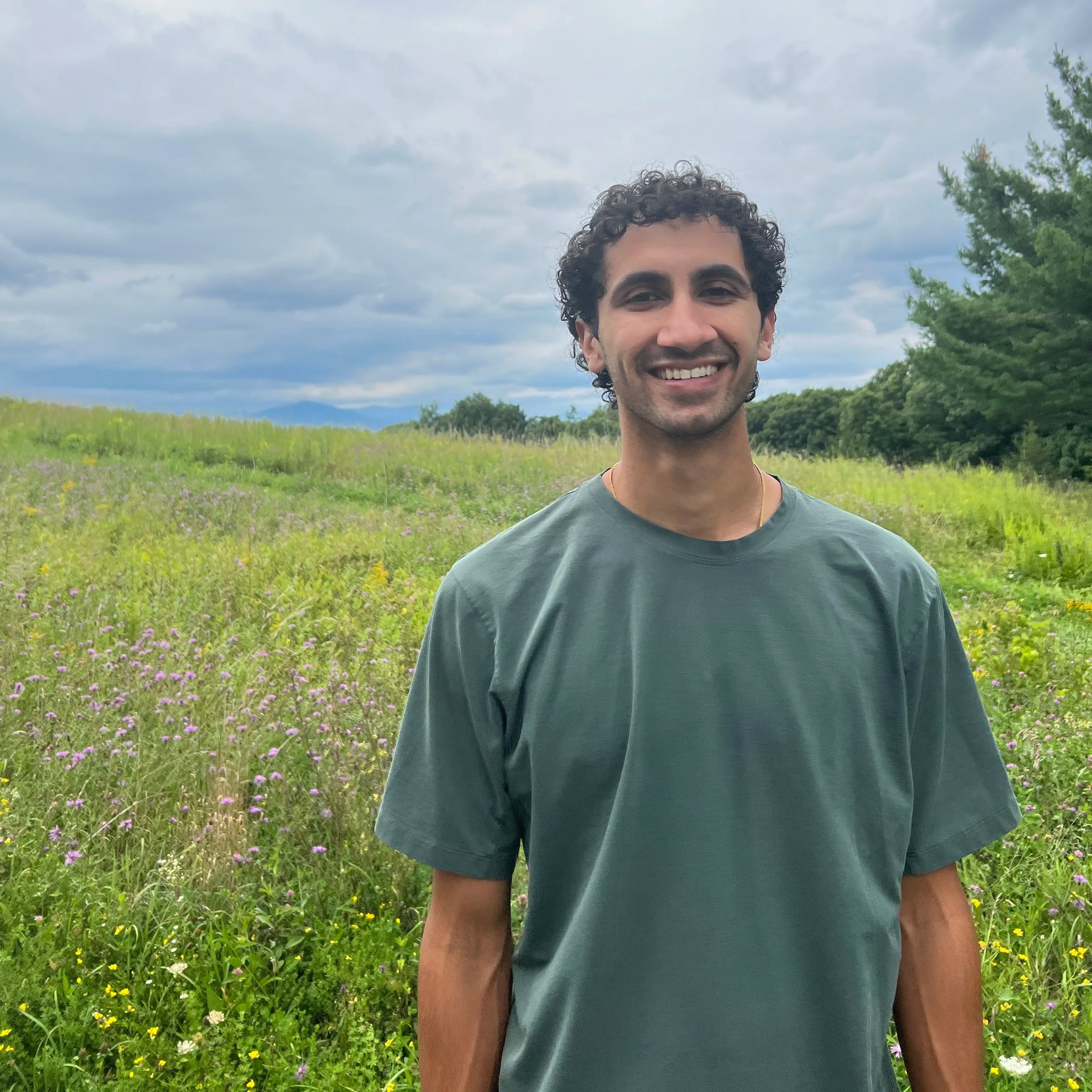
Hi, I'm Mahesh
I was raised in a culture that put a huge value on achievement, and I set extremely high standards for myself in everything I did. When I fell short of those standards, things got ugly. I regularly had breaking points where I thought about killing myself. It’s easy to look back on this time and think “wow, I was really struggling,” but ironically, at the time, the high standards I set for myself also applied to how I perceived my own suffering.
No matter how much I achieved, I never felt happy because it was never enough. There was always another achievement to chase. Equally, no matter how much I suffered, that was never enough either. I knew what depression, anxiety, and suicidal ideation were, but in my head, those were things that happened to other people. Yes, I was struggling, but it wasn’t that bad. Other people had it way worse than me. I genuinely felt that thinking about suicide was just the price I had to pay in order to be a “high achiever.”
My turning point came in 2020. Like many people, I watched my mental health take an exponential hit during the Covid lockdowns, and I genuinely felt like I had nothing to live for. Then, by sheer luck, I stumbled across an article describing a clinical trial at Johns Hopkins University where they used psilocybin (“magic mushrooms”) to treat depression. At the time, I was a student at Johns Hopkins studying economics, and this blew my mind. Down the road from where I was living, there was an entire research center dedicated to the study of psychedelics. And there was a mountain of evidence showing that a lot of what I believed about these substances was wrong. According to the science, when used with proper structure, intention, and support, psychedelics can be not only remarkably safe but also deeply transformative for mental and spiritual health.
After reading every clinical paper I could get my hands on, I decided that I would try psilocybin. It was the single most profound experience of my life. I temporarily zoomed out of my normal perspective, and it was the first time I was able to recognize my own suffering. I was able to see how much self-hatred and self-loathing I was carrying, and how miserable it was making me. I was flooded with feelings of gratitude, love, and compassion for myself in a way that I didn’t think was possible.
The experience didn’t solve all my problems. I wasn’t cured of depression and anxiety overnight. But it helped me see that the way I was living wasn’t healthy or sustainable. I finally understood that I needed to put my mental and spiritual health above my obsession with achievement and success. That’s a journey I’m still on today.
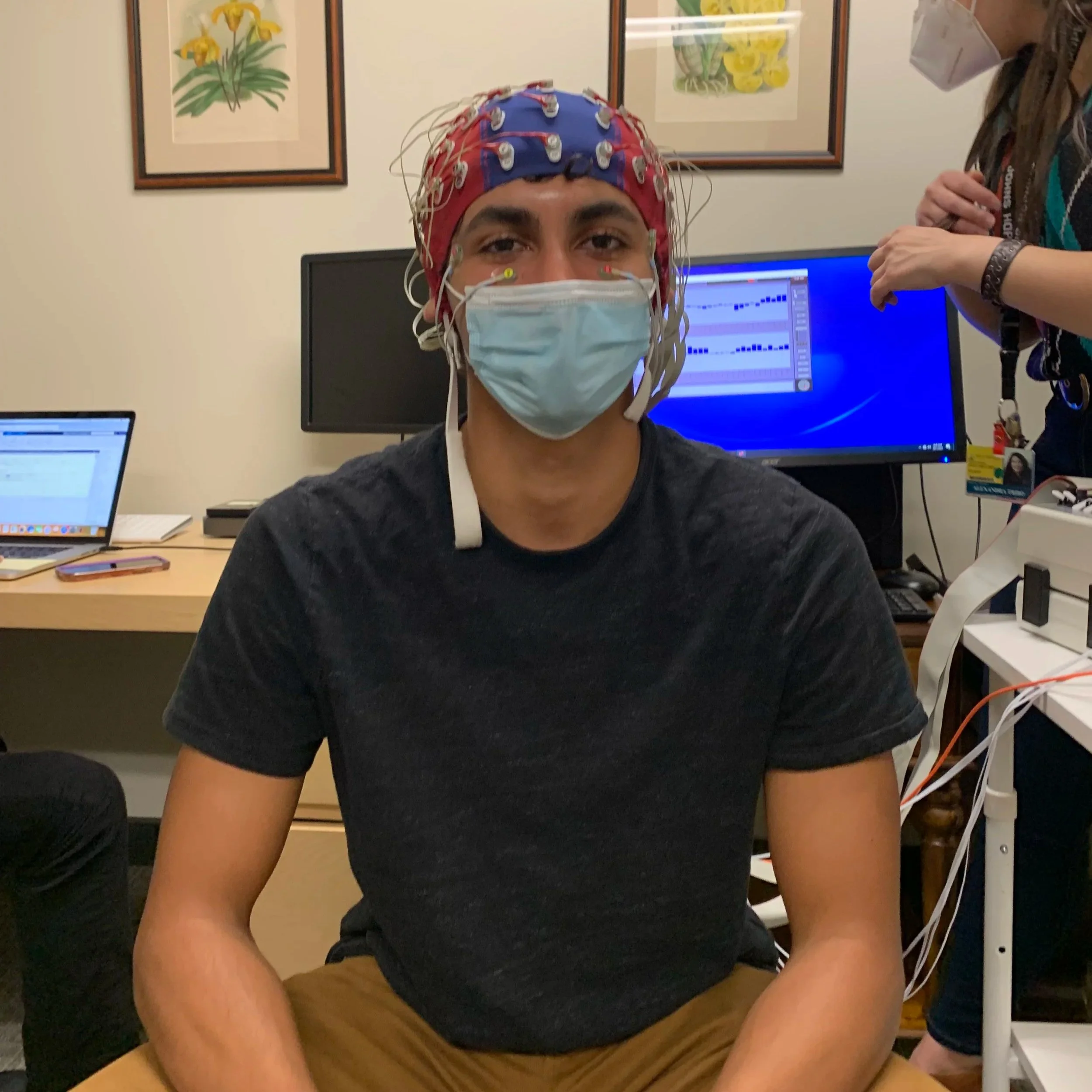
It also sparked a curiosity I couldn’t shake. How do these molecules actually work? Why do some people take psychedelics and just have a fun time, while for others it leads to profound mental and spiritual growth? To answer that, I switched my major from economics to psychology and started working at the Johns Hopkins Center for Psychedelic & Consciousness Research, helping manage the very same clinical trials that inspired me to try psilocybin in the first place.
At Hopkins, I learned what gold-standard psychedelic therapy looks like. But I was young and not a trained clinician, so I couldn’t sit in on the actual sessions. Instead, I took what I learned from the clinicians there and started practicing those protocols with my friends.
What started as a fun hobby slowly grew into a passion, and eventually a business. Psychedelics changed my life, and there’s nothing more beautiful to me than creating the container for others to have that same opportunity. My work is deeply informed by my time at Hopkins and by clinical research protocols, but that’s only part of it. It also draws heavily on Buddhist and Hindu philosophy, mindfulness, somatic experiencing, IFS, and of course, breathwork.
At its core, 99% of what I do as a coach and breathwork facilitator comes down to this: I create the conditions that allow people to see themselves more clearly. Notice I didn’t say I help people see themselves more clearly. I just create the space for that process to happen on its own. And often, when people see themselves more clearly, they start to change in ways that feel more aligned and authentic. Sometimes that change is fast. Sometimes it’s slow and hard. Usually it’s a mix of both. There’s nothing linear about this work. What matters is that we keep moving toward the goal: seeing ourselves more clearly.
I used to be suicidal and thought it was normal
BA in Psychology from Johns Hopkins University
Former researcher at the Johns Hopkins Center for Psychedelic & Consciousness Research
Clinical operations management at 3x psychedelic healthcare startups
Certified Psychedelic Integration Coach by Tam Integration
Certified Microdosing Facilitator by Microdosing for Healing
Certified Therapeutic Breathwork Facilitator with Erin Telford
200-hr certified yoga teacher
6+ years of intensive study in Buddhist/Hindu philosophy and meditation practice
Things that help me do this work*

*I am not a licensed psychotherapist, counselor, or medical provider. My services are coaching and spiritual support, not therapy or medical treatment, and they don’t replace care from a licensed professional. My approach is informed by clinical research and evidence-based protocols, but its nature is spiritual and educational.